-
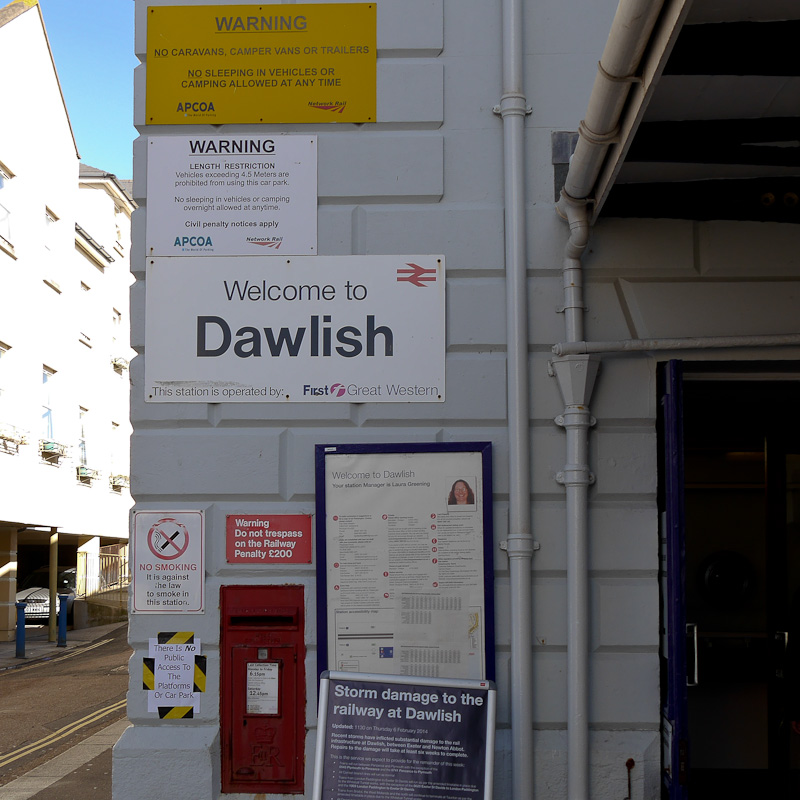
On Friday morning . . .
. . .there was NO public access to the station platforms . . . . . . so I was surprised to see how busy it looked up there . . . . . . until I got home and discovered that the Secretary of State for Transport had been in town to ‘witness the…
-
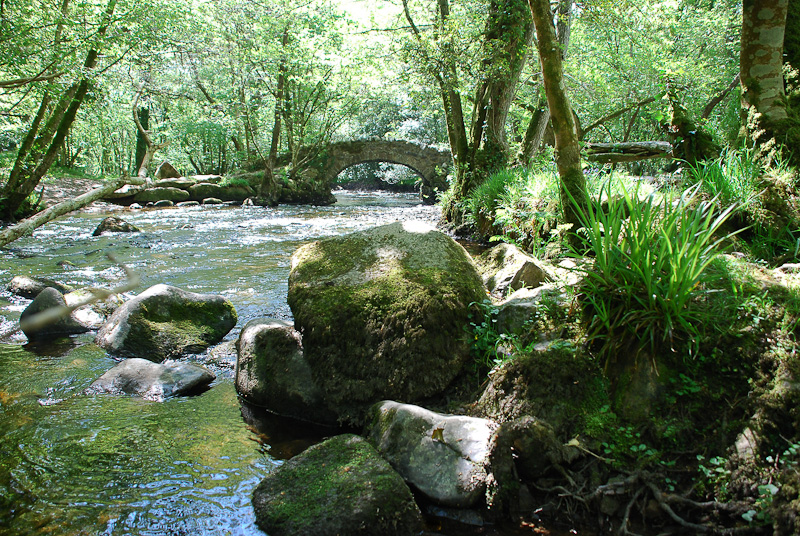
Hisley Bridge
Hisley Bridge on the Bovey river, on the eastern edge of Dartmoor . . . .
-
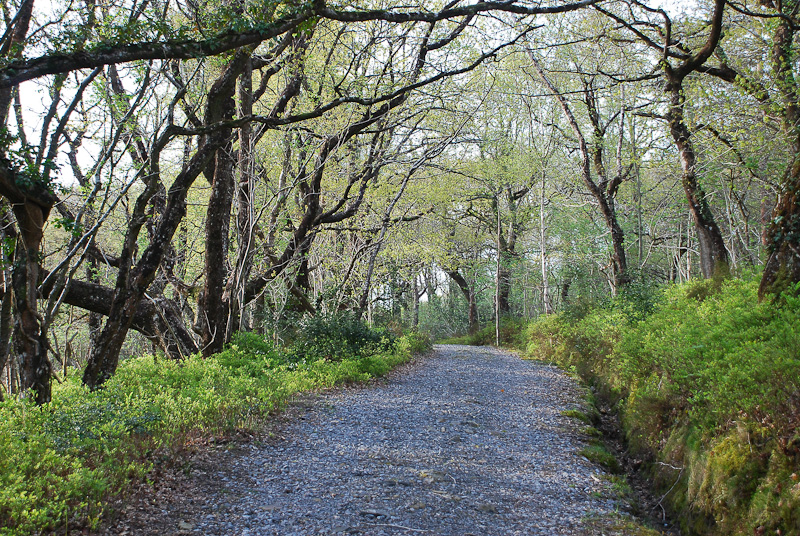
Yarner Wood
A magical early morning visit to Yarner Wood on Dartmoor – pictures taken at around 06.45 am.
-
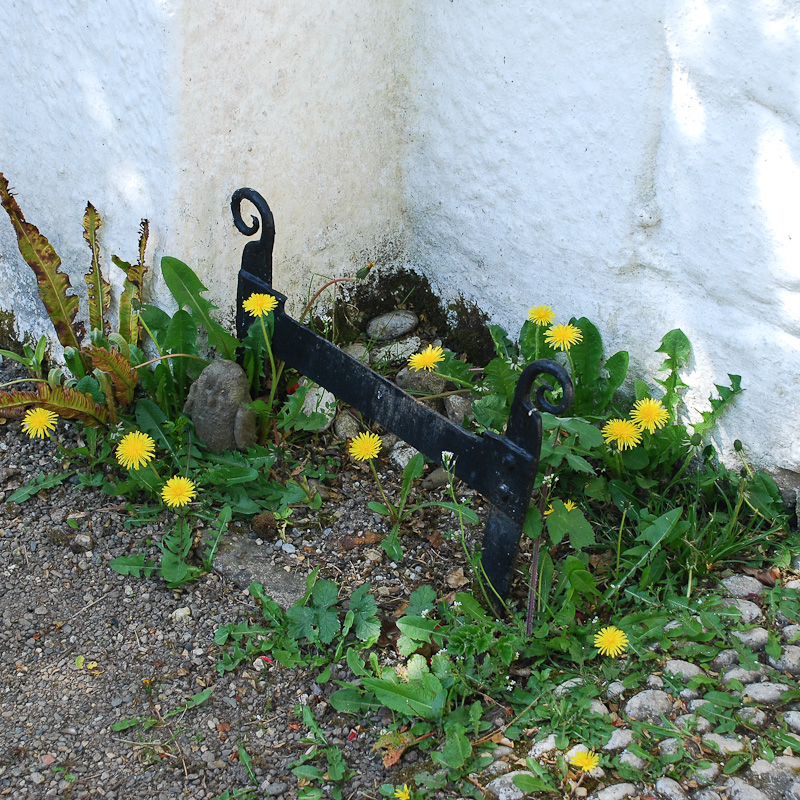
May Day at Bradley Manor
Bradley Manor is a small National Trust property on the western edge of Newton Abbot. This was my first visit and I was pleasantly surprised by how much there was to see inside the house and by the peaceful surroundings. Unfortunately I was too tired by the time we’d finished looking round inside to do…
-
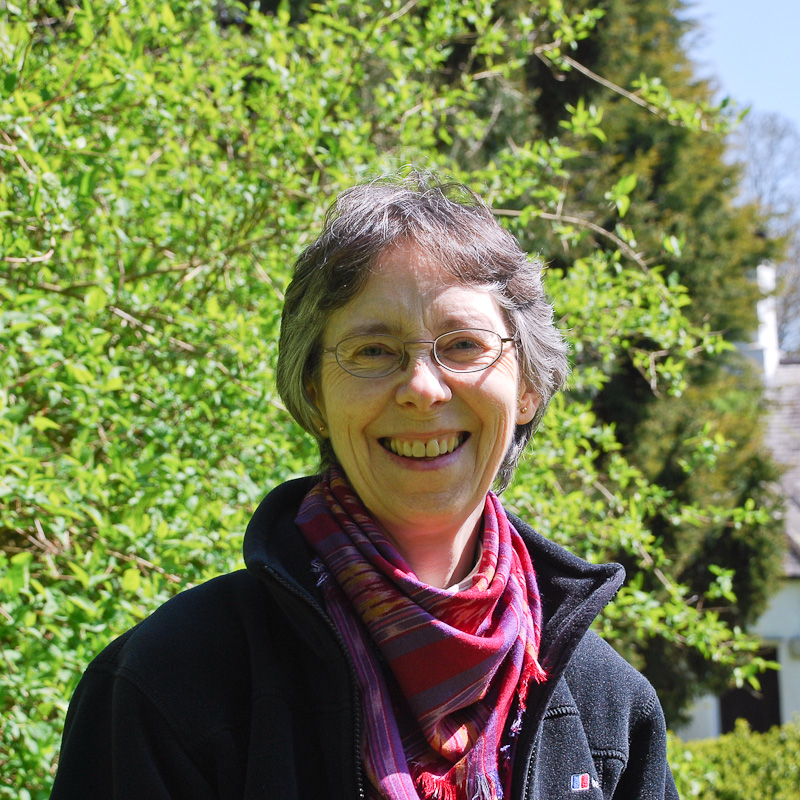
Hats Off
Giving the new short haircut a Spring outing.
-
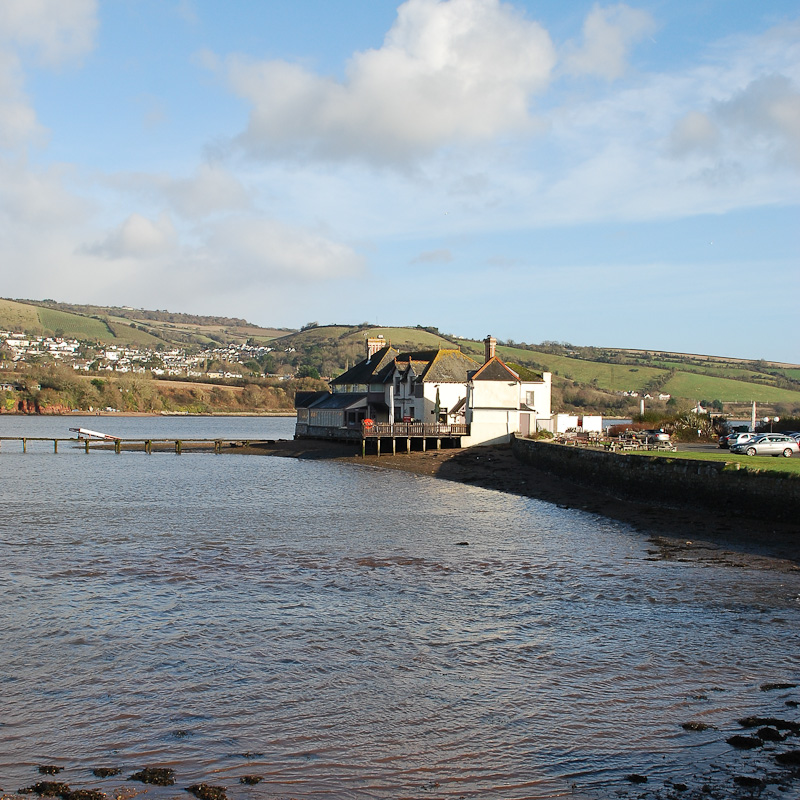
New Year’s Day
The Coombe Cellars pub, Combeinteignhead, Devon Teignmouth from Shaldon The Shaldon – Teignmouth ferry, with Christmas trimmings Teignmouth from Shaldon John Masefield and Spike Milligan on the wall of the Ness Bar, Shaldon Lime kiln, The Ness, Shaldon
-
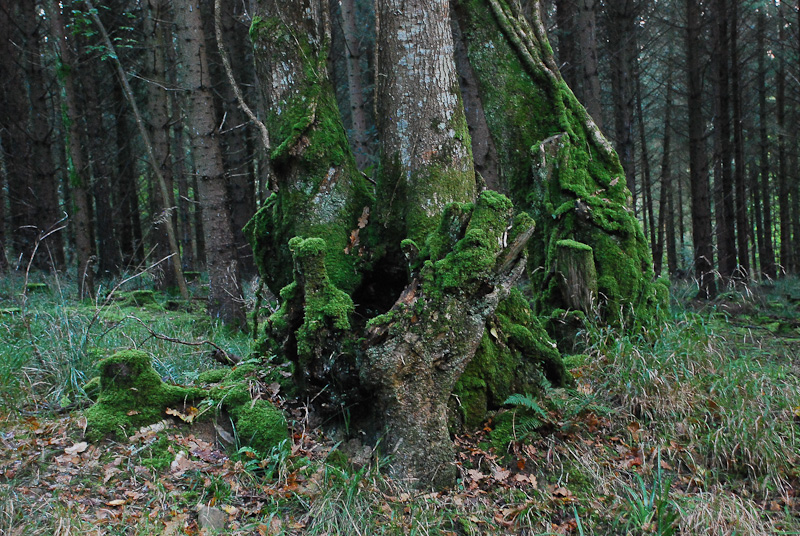
Haldon Forest Deer Walk
07.34: No deer visible yet but plenty of noisy activity deeper in the forest during the previous half hour. 07.36: Sunlight just beginning to break through the trees. Deer hoofprints in the mud alongside the path and a small group spotted off the the right in a patch of scrub. 07.38: Two deer ran out…
-
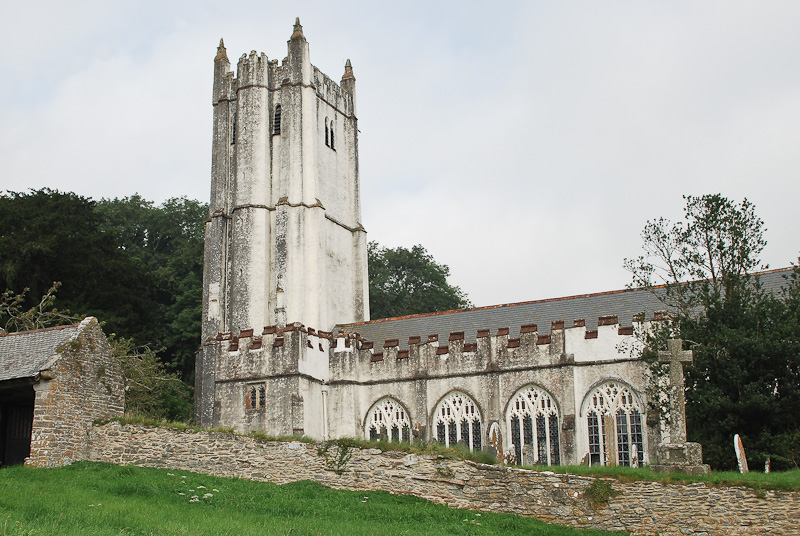
Holy Trinity, Torbryan
I’ve been looking forward to visiting Torbryan church ever since I first saw it described by W. G. Hoskins in John Betjeman’s Collins Guide to English Parish Churches as having ‘the most completely characteristic Devon interior in plan, fittings, colour and atmosphere.’ The fact that it’s in the care of the Churches Conservation Trust was…
-
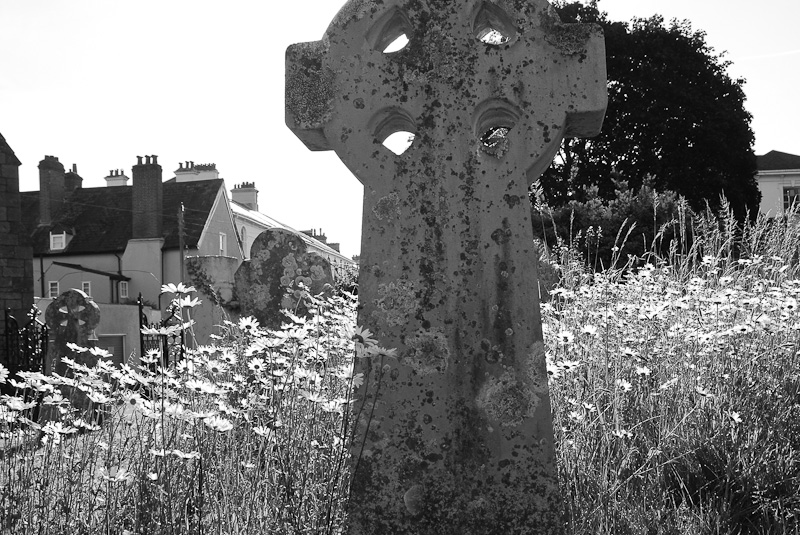
Daisies
Early morning sunshine in St Gregory’s churchyard, Dawlish
-
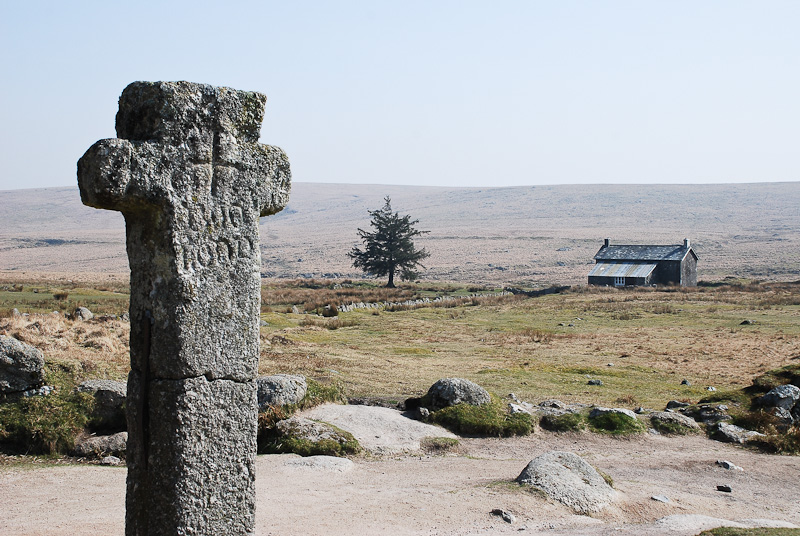
Dartmoor Outing
Our original plan to take advantage of the beautiful spring weather by visiting Wistman’s Wood had to be abandoned after we found the Two Bridges car parking spaces completely full. Instead we headed down towards Whiteworks, where we ate a picnic lunch and set off for a short walk along a nearby footpath to enjoy…